Nobel Prize in chemistry: revolutionizing the understanding of proteins
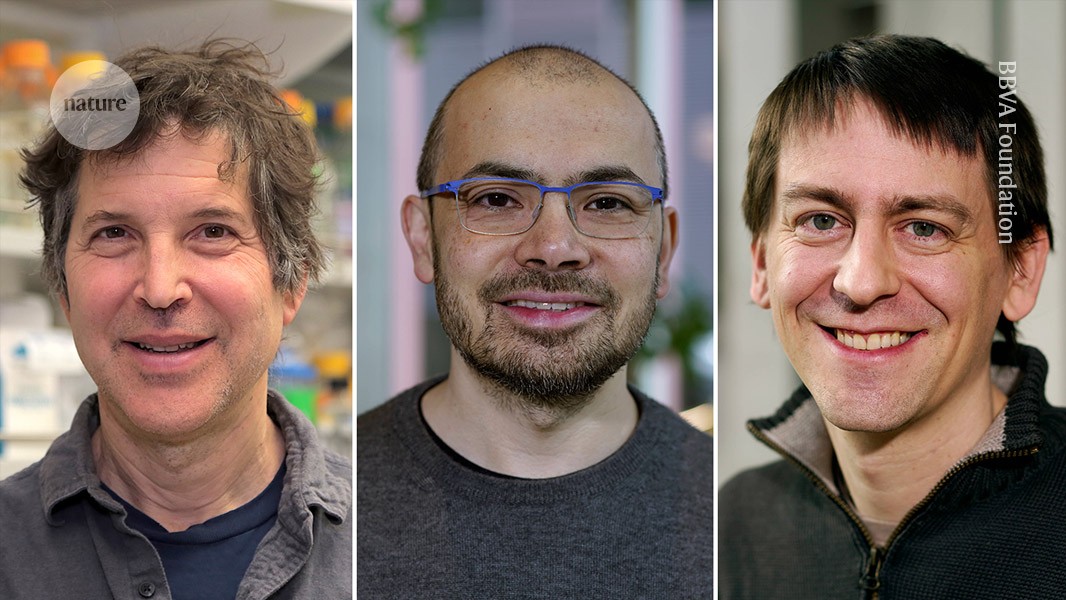
The world of science has just marked a monumental milestone as the Nobel Prize in Chemistry for 2024 was awarded to three visionary scientists: David Baker, Demis Hassabis, and John Jumper. This recognition stems from their extraordinary contributions to our understanding and design of proteins, the fundamental building blocks of life. Their groundbreaking work doesn’t just advance the field of biochemistry; it has profound implications that could impact medicine, environmental sustainability, and much more.
The unsung hero: proteins
Proteins play vital roles in our bodies, from catalyzing biochemical reactions to providing structural support in cells. They are involved in practically every function necessary for life. Despite their importance, predicting and designing proteins with specific functions has long proved to be a complex challenge—until now.
David Baker: the master of protein design
David Baker, a renowned professor at the University of Washington, has been awarded half of the Nobel Prize for his stunning achievements in computational protein design. One standout moment from his career came in 2003 when Baker created an entirely new protein, named Top7. Designed from scratch, Top7 had a structure that scientists had never seen in nature before, showcasing that proteins could not only be studied but also deliberately created—like sculpting a piece of art.
Baker's ongoing research continues to explore novel applications for engineered proteins, with significant real-world implications. From pharmaceuticals to nanomaterials used in cutting-edge technology, his innovative approaches have pushed the boundaries of what's possible in design, creativity, and functionality in protein biology.
The AI revolution: AlphaFold2
In an equally transformative twist, Demis Hassabis and John Jumper, affiliated with Google DeepMind, have shared the other half of the Nobel Prize, recognizing their revolutionary work in protein structure prediction. Their expertise culminated in the creation of AlphaFold2, an AI model that can predict protein structures effectively.
Launched in 2020, AlphaFold2 has become a powerful tool for the scientific community, successfully modeling virtually all 200 million proteins identified by researchers. This was a game-changer: a simple AI capable of tackling a problem that had stumped scientists for over 50 years. Researchers worldwide, using AlphaFold2, have made strides in understanding key challenges like antibiotic resistance and developing enzymes capable of biodegrading plastics. The profound impact of this predictive technology cannot be overstated.
Why this matters
The breakthroughs achieved by Baker, Hassabis, and Jumper do not merely contribute to academic knowledge but hold genuine promise of improving global well-being. Imagine better-targeted therapies with fewer side effects or identifying new methods to reduce plastic pollution through tailored enzymes. These advancements address urgent global challenges in healthcare and climate change, merging technological prowess with environmental stewardship.
Expert opinions
The integration of AI in protein design and structure prediction could illuminate pathways we've never imagined and disrupt methodologies used for decades. This perspective reiterates the potential ripple effects these breakthroughs can inspire across multiple scientific disciplines.
The Nobel Prize awarded to Baker, Hassabis, and Jumper for their contributions represents a pivotal moment in biochemistry. With the potential to fundamentally change the landscape of biotechnology and pharmaceuticals, their work exemplifies how human innovation can meet biological needs. From understanding complex diseases to engineering solutions for pressing sustainability issues, the journey of proteins—as both the building blocks of life and continuing frontiers in science—has never looked more promising.
So what’s next? As we reflect on this scientific grace, may we also pause to consider how we can utilize these insights to foster a healthier and more sustainable future. The doors of innovation have just been flung wide open, inviting the world to embrace unprecedented advancements in science and technology.
 Ewen Callaway