Producing Biodegradable Plastics Without CO2 Emissions: A Revolutionary Step in Bioengineering
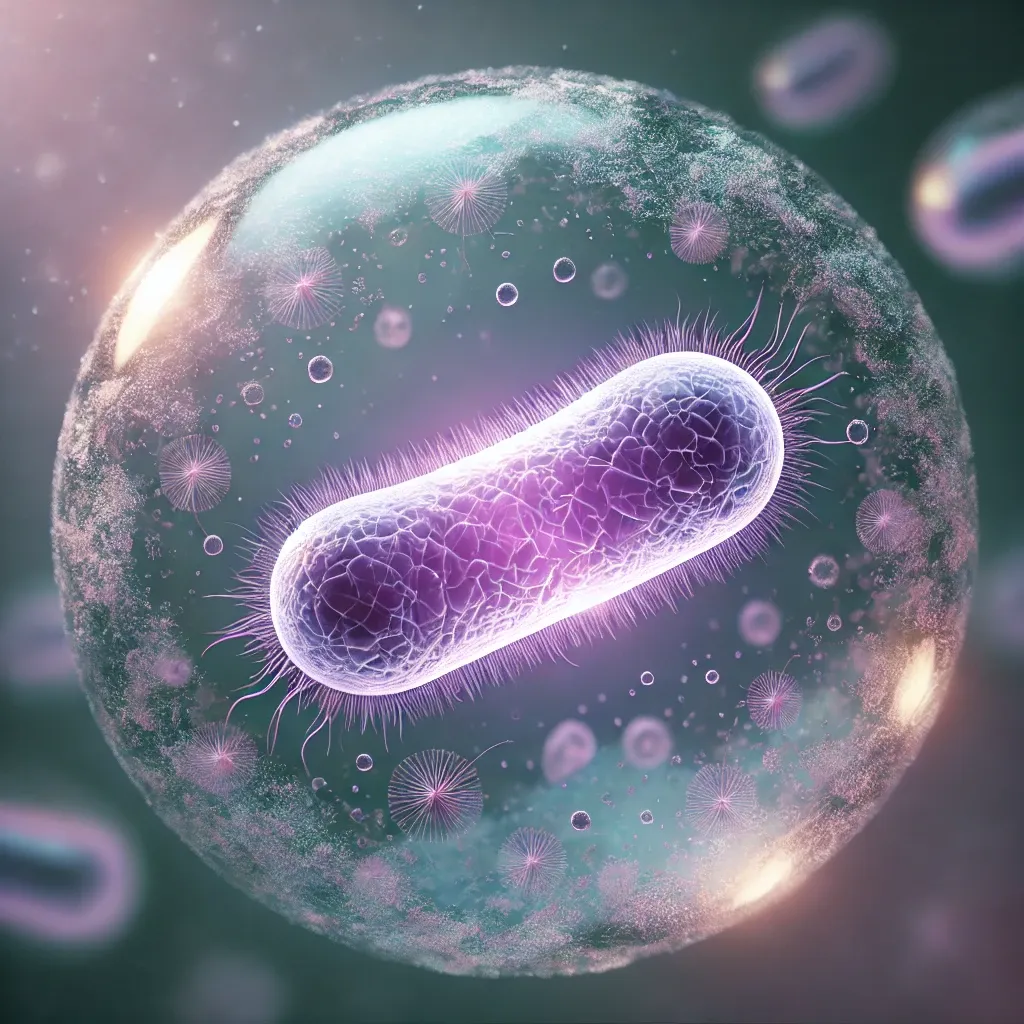
In recent years, our planet has faced an enormous challenge: plastic pollution and its detrimental impact on the environment. While traditional plastics wreak havoc on ecosystems and contribute to significant greenhouse gas emissions, advancements in biotechnology are offering a beacon of hope. Researchers are now harnessing the remarkable capabilities of the bacterium Rhodopseudomonas palustris to produce biodegradable plastics in an environmentally friendly manner, effectively addressing one of humanity's most pressing challenges.
These innovative microorganisms possess a unique ability to generate polyhydroxyalkanoates (PHA), a type of natural polymer that can be transformed into biodegradable plastic. Scientists have successfully developed techniques to stimulate PHA production within these bacteria, essentially turning them into tiny factories capable of creating high-quality materials without the carbon footprint typically associated with conventional plastic manufacturing.
One of the groundbreaking studies showcasing this technology explains how Rhodopseudomonas palustris naturally produces PHA when exposed to certain environmental conditions. Given the rising concern over plastic debris littering our oceans and landscapes, cultivating these micro-organisms seems more relevant than ever. According to a report from the European Union, pilot plants in Italy and Portugal have already demonstrated how urban waste can be transformed into PHA using similar microbial cultures. By converting municipal waste into biodegradable alternatives, researchers not only strike a blow against harmful plastics but also contribute positively to urban waste management.
Further enriching this field of research, a team at the University of Washington has even embarked on creating biodegradable plastics using spirulina, a blue-green cyanobacterium. Remarkably, these spirulina-based bioplastics decompose over a timeframe similar to banana peels in backyard composting setups. With comparable mechanical properties to traditional petroleum-derived plastics, these innovative materials present a compelling avenue for addressing the demand for both sustainable and efficient packaging solutions.
This line of research represents a significant leap forward, making it plausible to envision a future where biodegradable plastics could replace petroleum-derived counterparts across numerous industries. They offer an exceptional alternative not only in reducing toxic waste but also in tackling greenhouse gas emissions, paving the way for a cleaner, greener planet.
In summary, the applications of Rhodopseudomonas palustris, alongside other microbial innovations, stand as a revolutionary approach towards nullable environmental consequences spiraling into positive biotechnological applications. As research continues to develop, societies could harness the capabilities of these tiny organisms in remedial practices beyond plastics. Moving forward, industries could replace the traditional cycle of resource extraction and plastic waste with regenerative processes that help preserve our Earth for future generations.
As we process these advances, it becomes increasingly evident that such innovative solutions should be embraced and supported. Not only do they present ethical and environmental responsibilities, but they also open the doors to biodegradability without associated CO2 emissions—creating a self-sustained, circular economy that humanity desperately needs today and tomorrow. This bioengineering progress heralds a future where ecological balance can be achieved, where human activities coexist more harmoniously with the biosphere.